Youth and Elder
Mentorship Model
Coming Together;
Learning Together
Knowledge in Obushkudayang has always been shared through language, stories, and time spent together on the land, on the water, and within families. This path continues today.
History: Why we need the Youth Elder Mentorship Model
In the 2011 flood, families were forced to leave their homes and land.
That separation affected more than people and place. It interrupted everyday ways of being together, learning from one another, and passing knowledge across generations.
Elders have shared that healing comes through minoayawin: well-being. Living well as a community; reconnecting with each other and with the land.
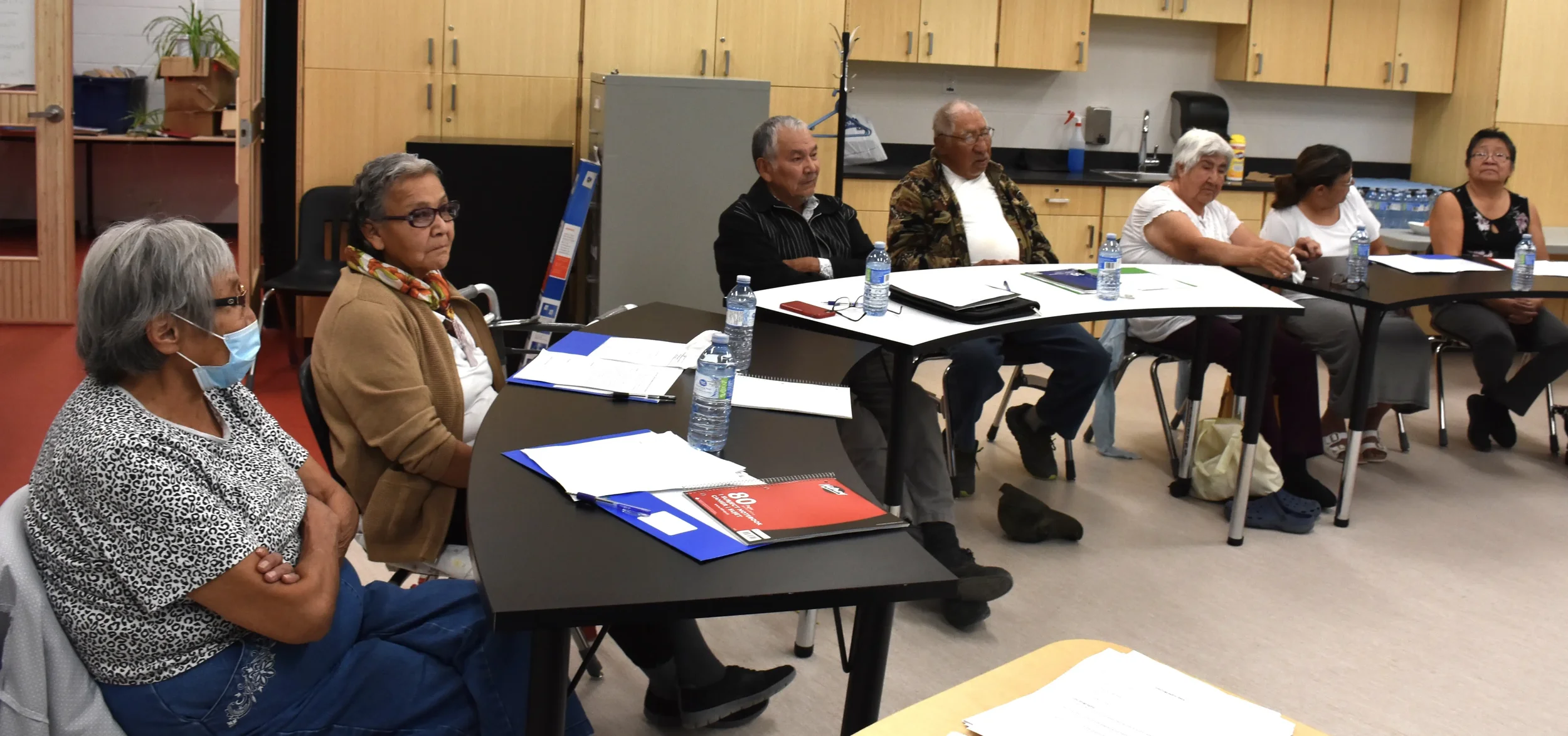
YEMM Purpose: What We Will Do
This work is about supporting minoayawin. The Youth-Elder Mentorship model comes from community knowledge shared in workshops led by Dr. Myrle Ballard’s CIHR funded research.
In these workshops, youth, adults, and Elders spoke about what they needed for healing after displacement. Youth shared that they wanted to spend time with Elders and learn directly from them.
YEMM responds to those teachings. It brings youth and Elders together through a land-based mentorship program focused on language, tradition, and strengthening community well-being together.

What does reconnection look like in the Youth Elder Mentorship Model?
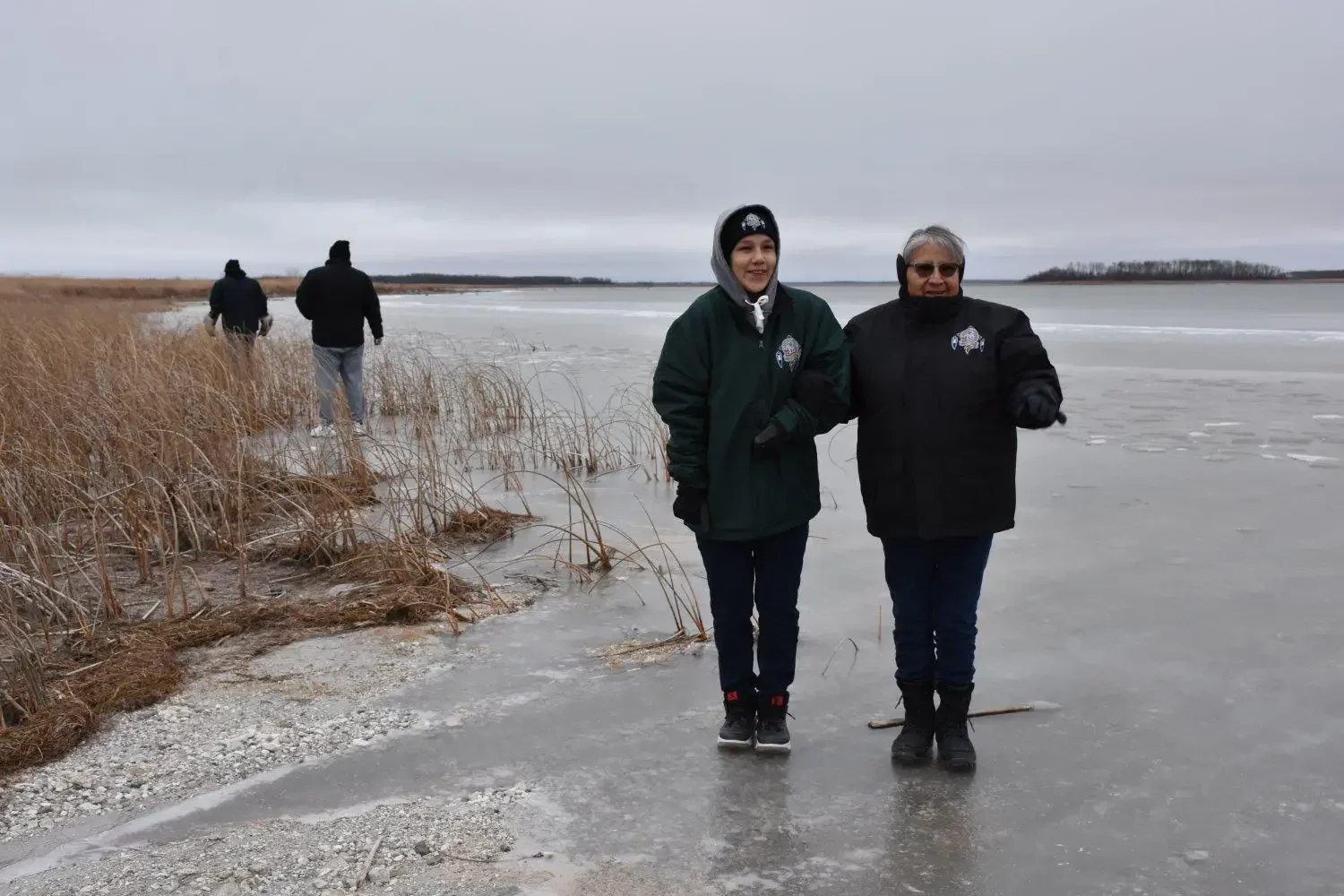
YEMM is centered around land-based learning and community gatherings guided by Elders and youth.
Spending time together in community
Sharing time across generations through gatherings, sharing circles, and everyday moments of learning together.
(unity)Reconnecting within community life
Taking part in activities, events, and shared spaces that strengthen relationships and support one another, including sports, shared meals, and community gatherings that support health and well-being.
(community action)Learning through traditional activities
Time on the land and water—fishing, preparing and smoking fish, cutting and preparing meat, working with hides, berry picking and preserving, and learning about plant medicines. Practices that have always been part of life in Obushkudayang.
Teachings include the land, water, air, and relationships with other living beings.
(reconnecting with land and identity)Sharing language and stories
Learning Anishinaabemowin in everyday settings, hearing stories (aadizookaanan) from Elders, and passing those teachings forward.
(reclaiming identity)Building skills for self-sufficiency (piimatiiziwiin)
Creating opportunities for youth to develop skills, share crafts and food, and build spaces such as arbors for gathering and community use.
(self-sufficiency and sustainable livelihoods)
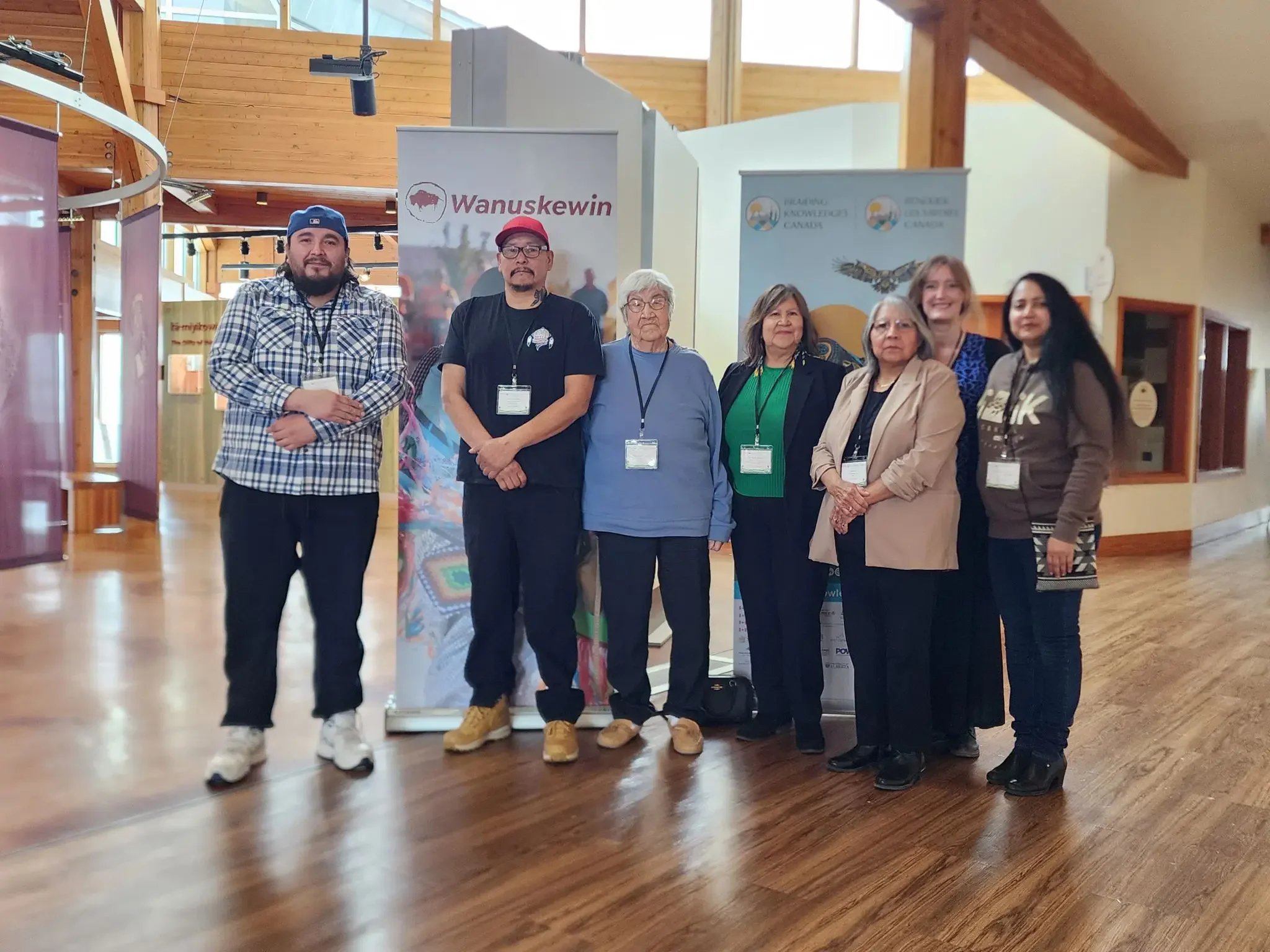
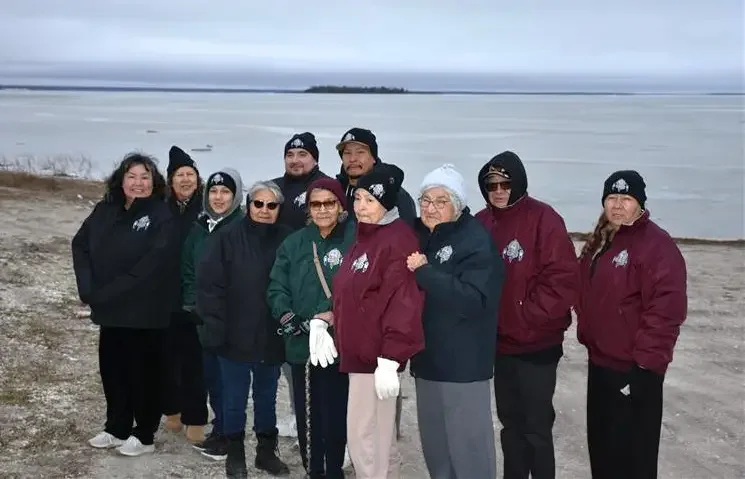
Join the Work
YEMM supports minoayawin - happiness, health, and well-being in Obushkudayang.
It is about coming together, supporting one another, and continuing relationships with land, language, and knowledge. Guided by youth and Elders, and carried forward by the community.
If you would like to be part of this work, we welcome you to connect and learn more.
Miigwetch